
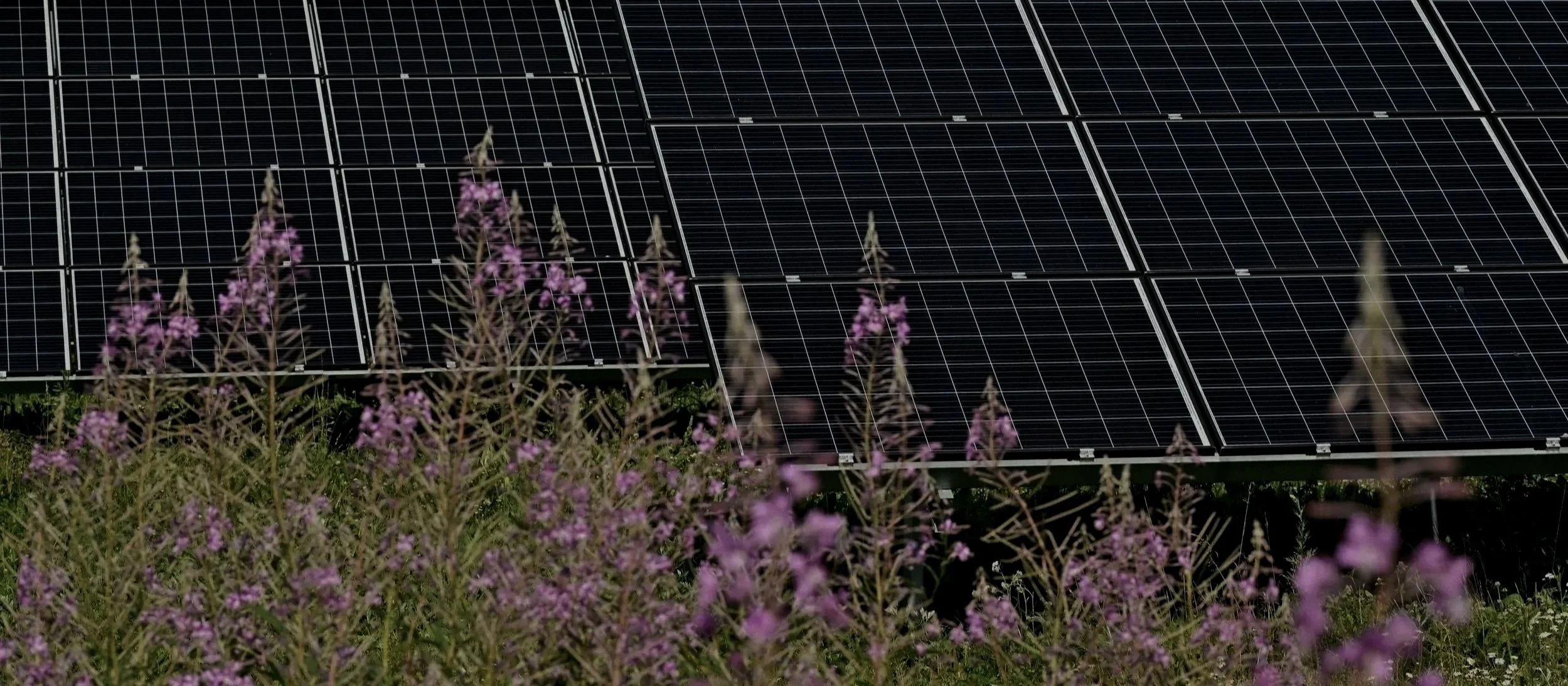
Common Grounds: Clean Energy Everyone Can Agree On
We need more electricity, and new clean power is an efficient way to make more of it, fast. But clean energy needs space to grow. One solution? Put clean energy where other energy is already being produced.
That’s co-location, adding wind turbines and solar panels onto federal land already used for oil and gas. Our research identified millions of acres of suitable land across Western states that could unlock enough energy to power over 100 million homes. Co-location cuts down on the time and paperwork needed to meet regulations, with less harm to nature. Communities that benefitted from fossil fuel production will additionally benefit from wind and solar, with new revenue for schools, parks, and roads, and the potential for new jobs.
This means that co-location gets support across political lines. In fact, when Planet Reimagined first proposed this solution, it seemed so obvious that people said, “Why aren’t we doing that already?” Well, that’s because turning this opportunity into reality requires two things: making the deals work and clearing the policy path. We’re doing both.
Deal-wise, we’re mapping high potential sites and crunching the data to help clean energy producers and oil and gas operators develop good projects
Policy-wise, we connect the dots—pinpointing what needs to change for authorization and building bipartisan momentum for new rules
Learn more

The Co-Location Energy Act

Our Map and Data

Community Research
How local residents feel
Our Tools
One critical gap: the data needed to make co-location actionable is scattered across silos, from geospatial and environmental records to financial information and infrastructure maps. No one has brought it together… until now.
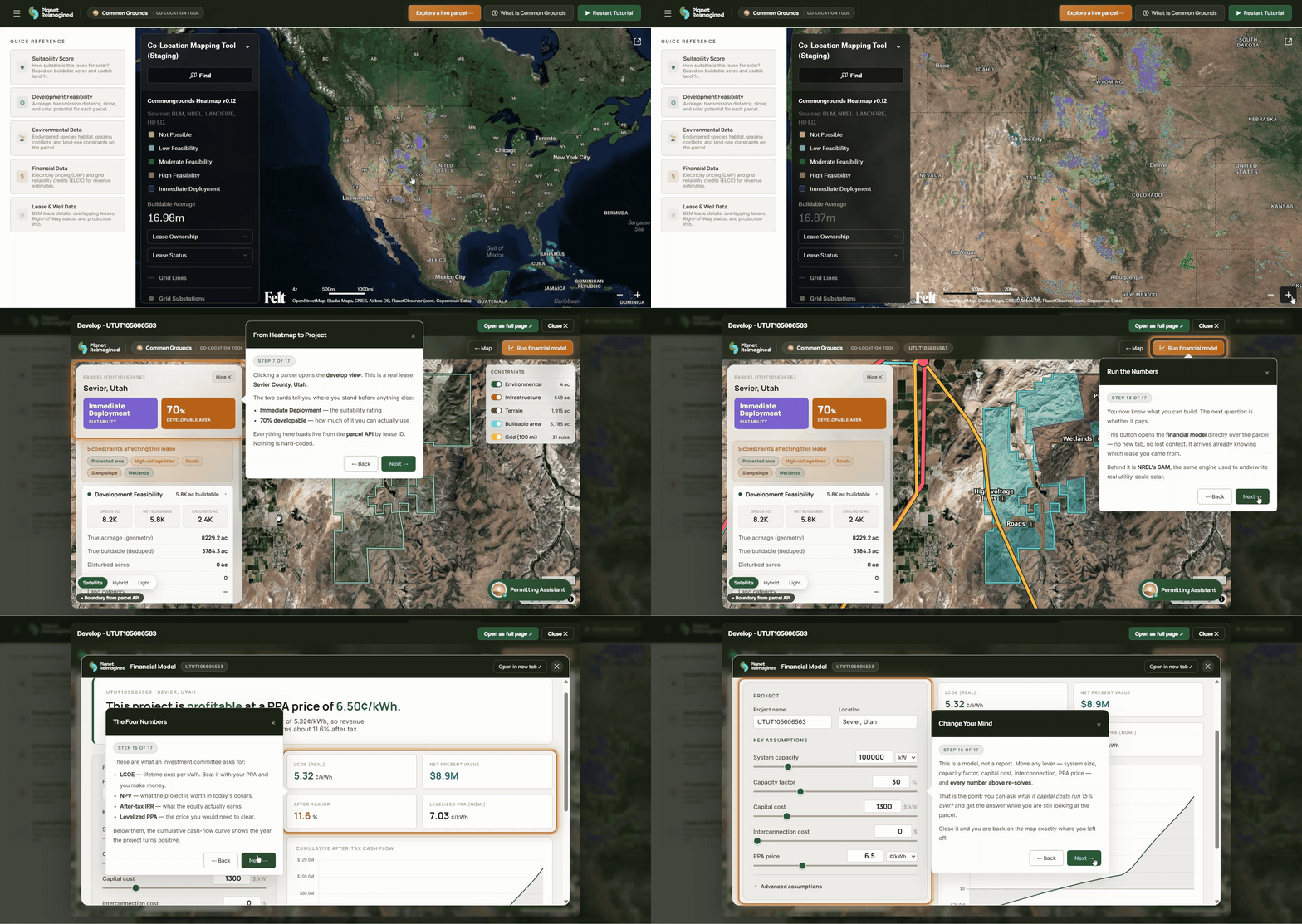
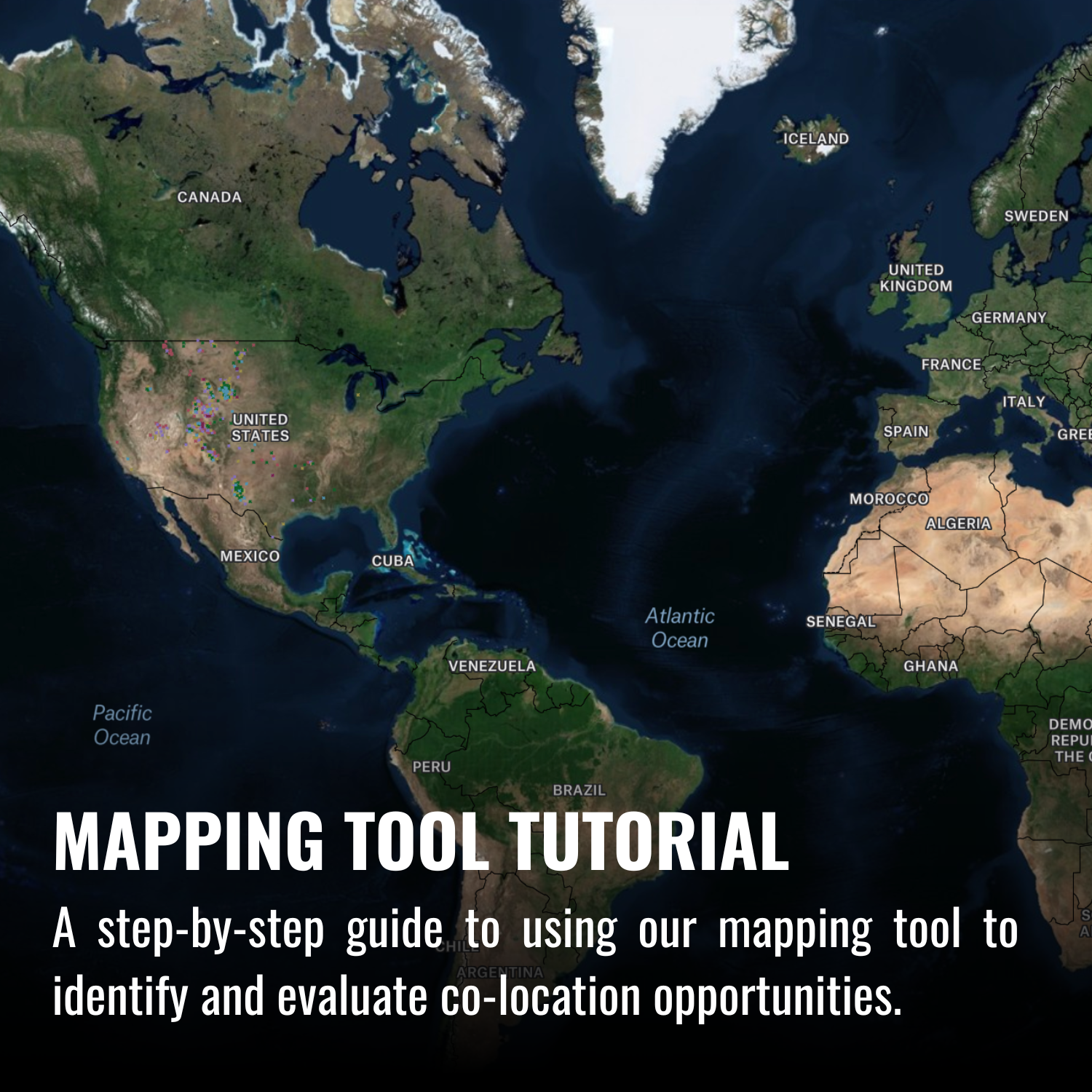
The Common Grounds Mapping Platform turns complex data into clear, actionable intelligence. What once required weeks of compiling data from dozens of sources now takes seconds. In a single interactive map, the platform brings together lease data, transmission infrastructure, environmental constraints, renewable resource quality, and permitting information. Now, renewable energy developers, policymakers, researchers, and land managers can explore parcels, compare development opportunities, and understand what it will take to get a project approved. Learn how to use it and explore our data here.
Features

Explore energy leases across federal and state lands in the western US.

Identify high-potential sites using solar quality, transmission access, and existing infrastructure.

Screen for environmental, ownership, and permitting constraints.

Analyze buildable acreage and renewable energy potential for individual parcels.

Support smarter siting decisions and to power our energy needs.
Policy
Planet Reimagined’s research was fundamental to the bipartisan Co-Location Energy Act (H.R. 5639 and S.896), which cuts red tape to make co-location projects easier to build. The bill allows the Interior Secretary to approve renewable energy projects on federal oil and gas land with the existing leaseholder’s consent. It also requires a decision within 180 days on whether existing environmental reviews can be used, helping bring new clean energy online faster. The legislation has Republican and Democratic co-sponsors in the House and Senate, championed by Senators John Curtis and John Hickenlooper, and Representatives Mike Levin and Mike Kennedy.
In a major milestone, the House Committee on Natural Resources reviewed the bill in March 2026. Our Executive Director, Adam Met, provided key testimony during the hearing, which confirmed overwhelming support from both parties.
Just as important as policy and industry is community. From formal surveys to informal conversations, we’ve been asking people who live close to energy sites what they think.
In the Summer of 2026, we surveyed people from eight counties in Utah and Colorado about their views on local solar development. Here’s what we found:
Co-location: The Talk of the Town
1000
People surveyed
42 %
support a local solar project
88 %
Of those with a preference prefer co-location
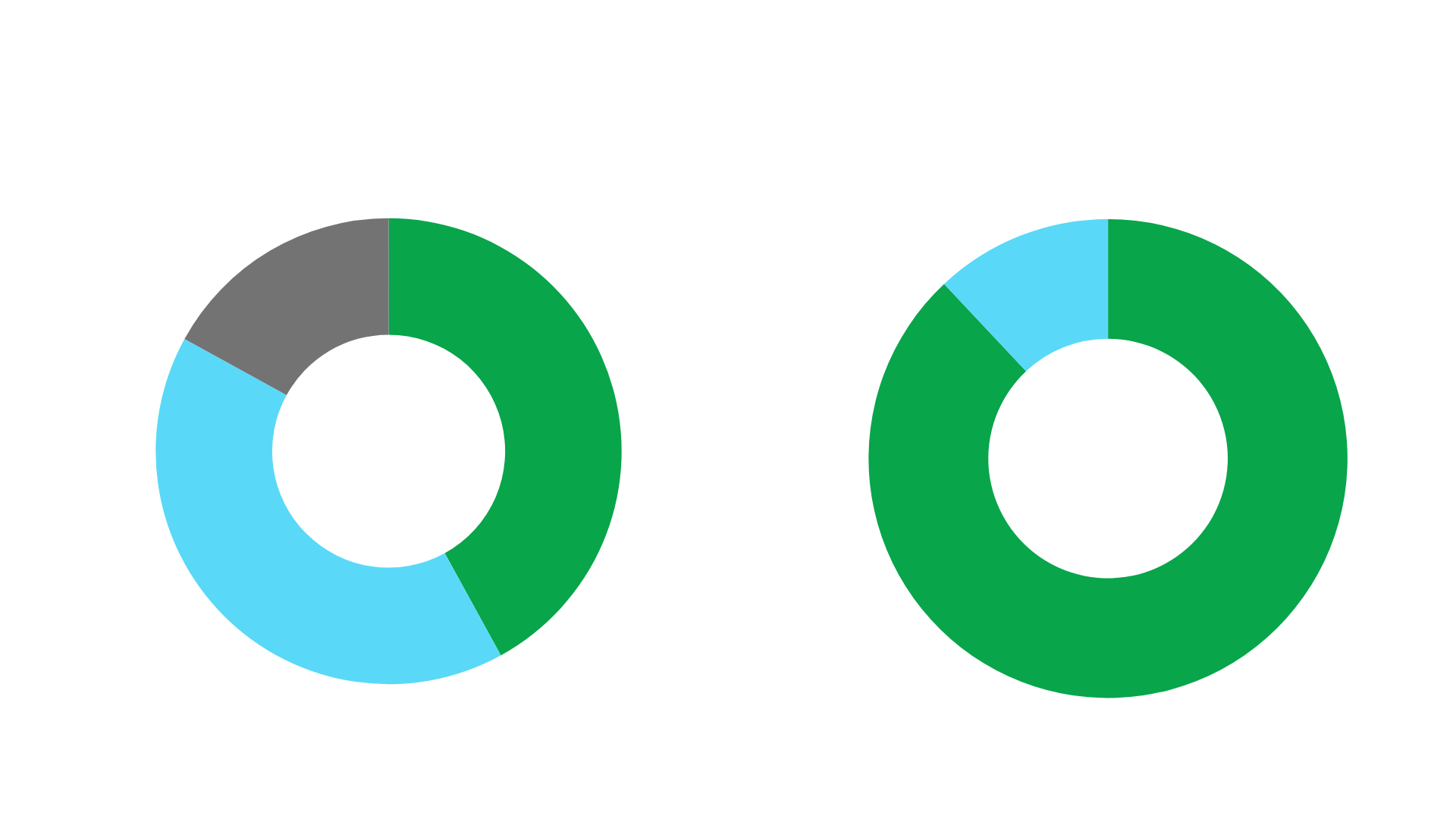
Co-location was the preferred model in all 8 counties.
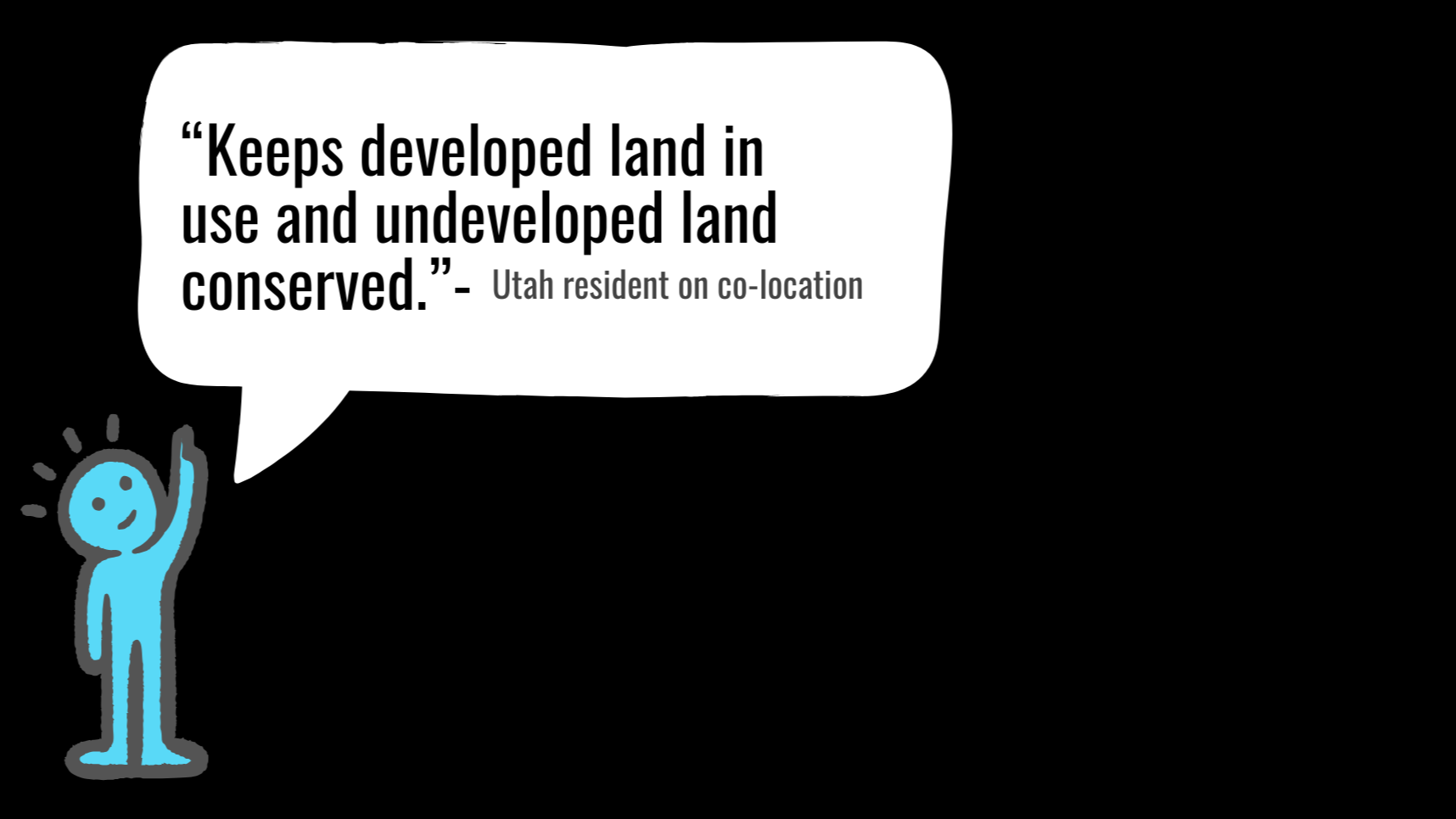
From left to right, people with perspectives across the board backed co-location. Even among those who opposed solar, almost 10% of them changed their minds when they learned about co-location.
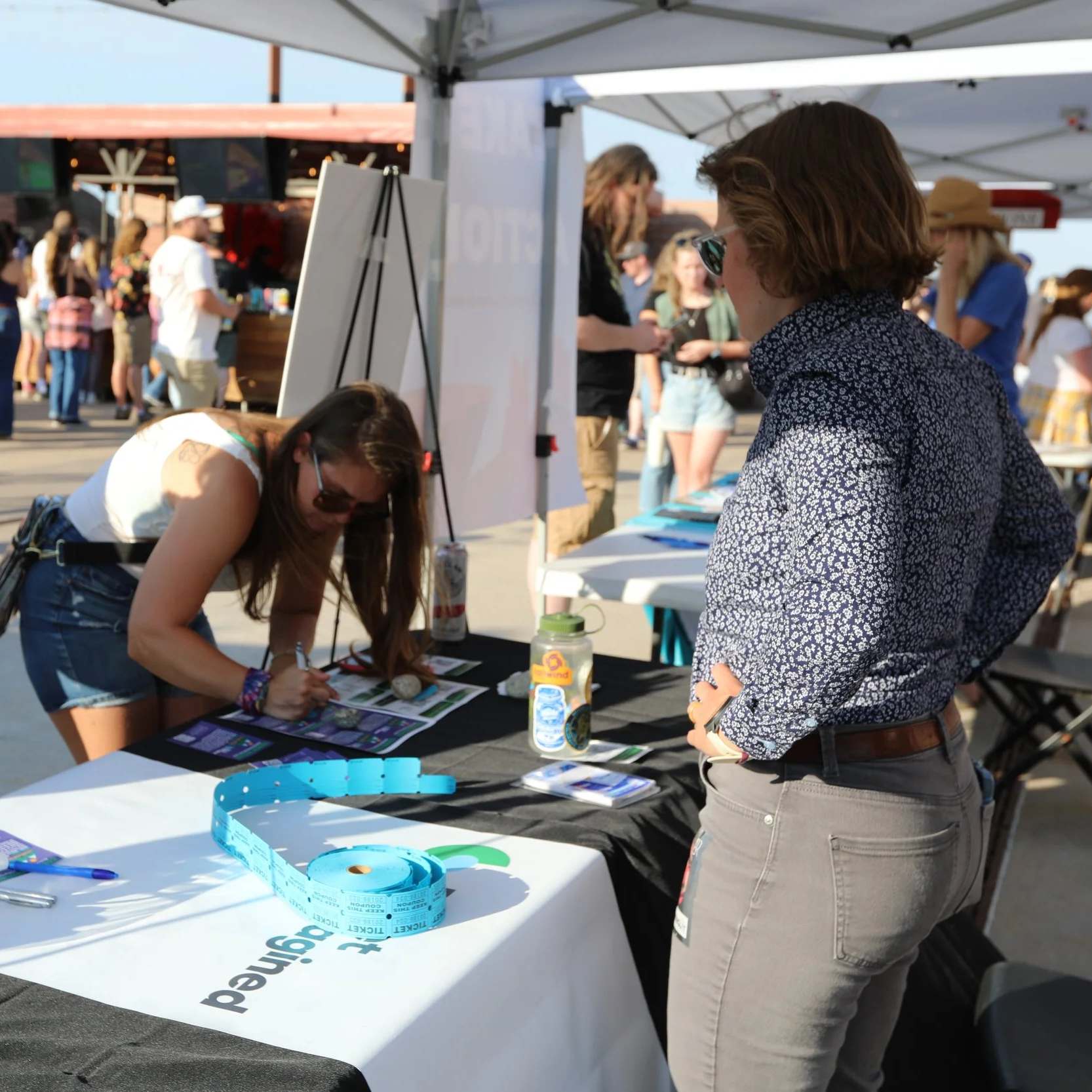
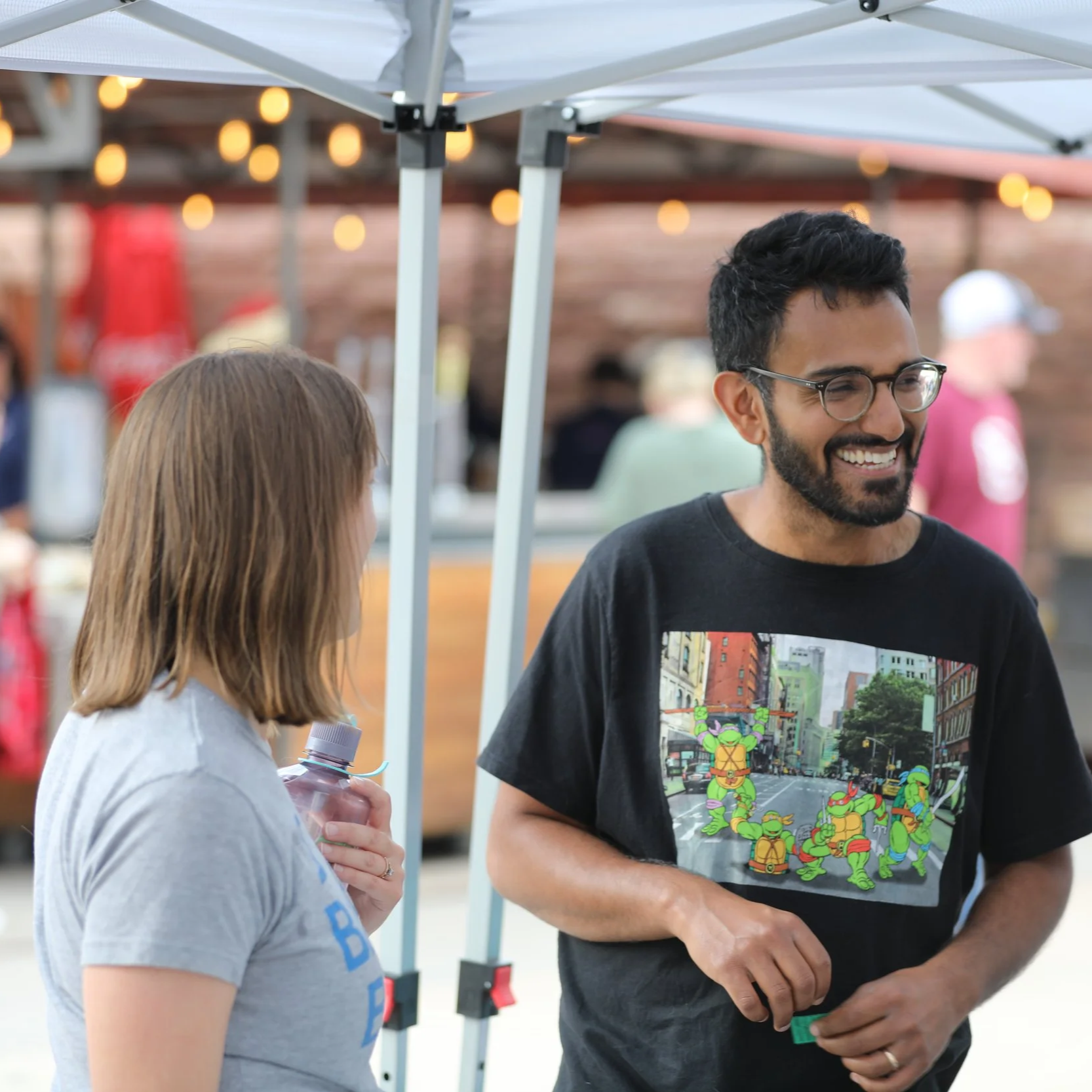
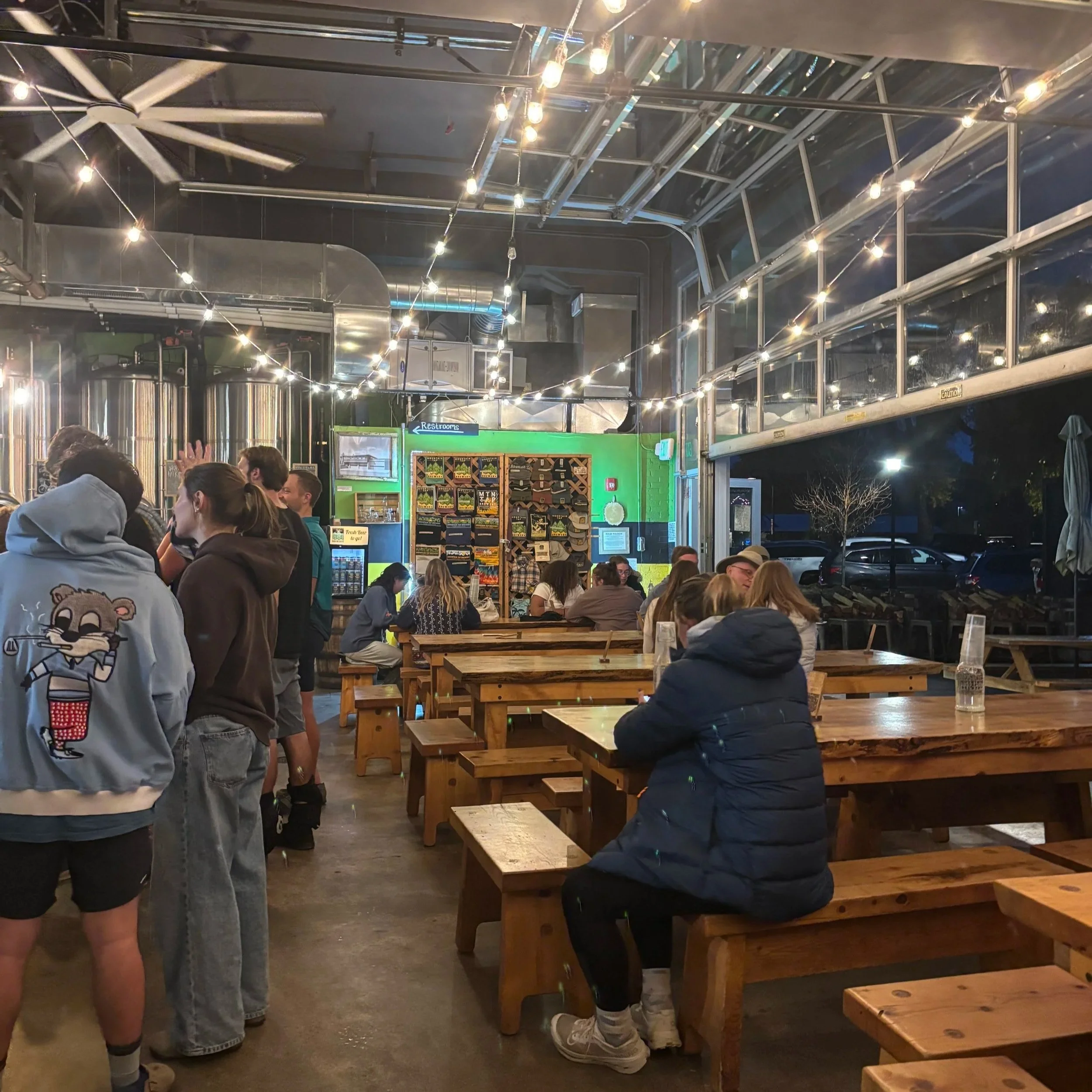
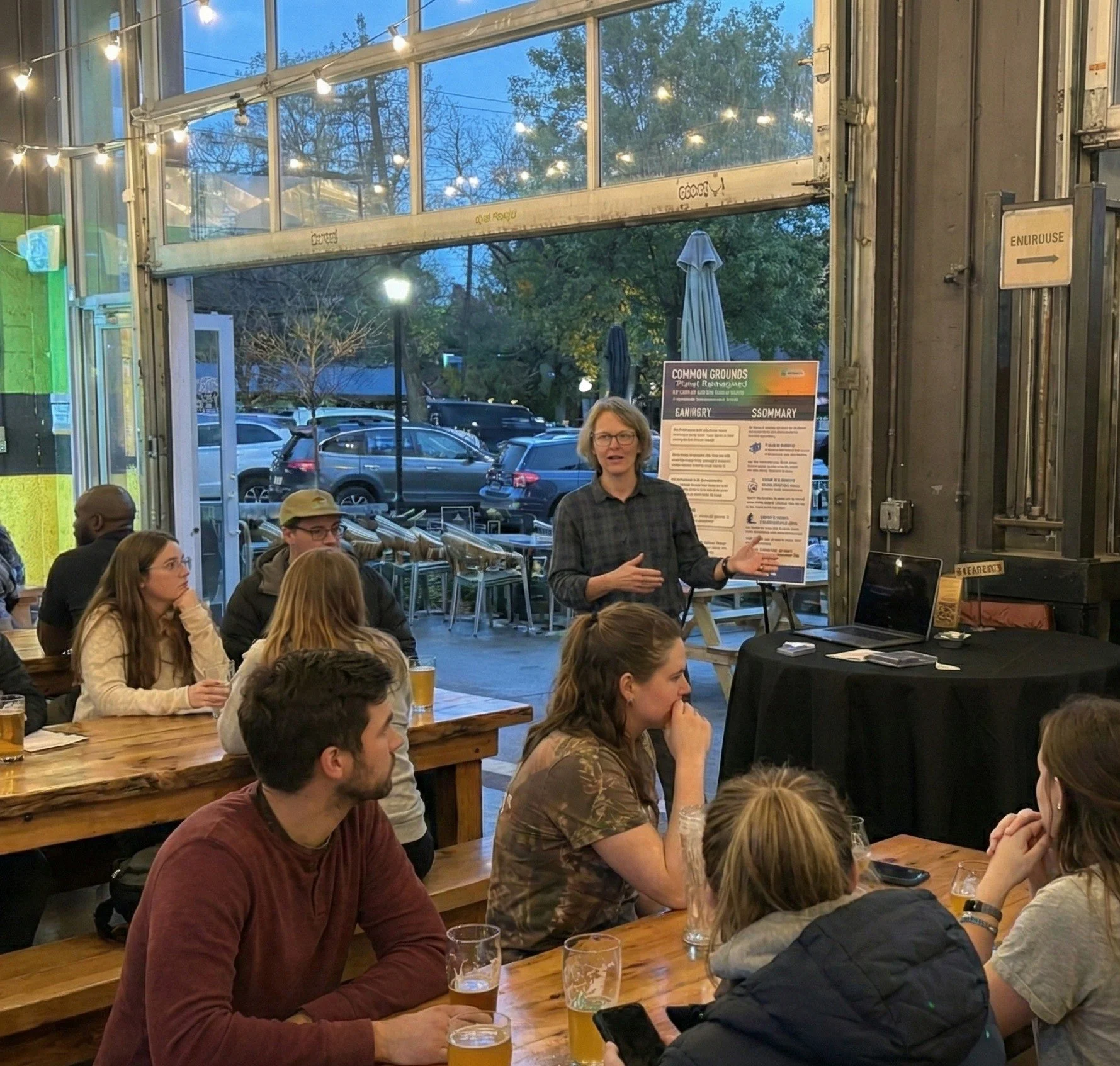
In person conversations offer a more personal perspective. From hosting gatherings at bars to chatting with concert guests on the Concourse of AJR at Red Rocks, we’ve gotten new insight into public attitudes. People showed similar support, and advocated for clarity around the role they play in the process and how they can benefit from renewable energy development.
By bringing everyone to the table, co-location shifts from a technical idea into a practical, community-driven success. This grassroots approach ensures that energy projects aren't just something happening to a town, but are an investment in it.
Resources & Tools
In the News

TIME: Adam Met on Movement Building, Music, And His Path To Climate Advocacy

A Pop Star's Wonky Climate Campaign

WALL STREET JOURNAL: Bipartisan Backing to Explore Fast Tracking Solar and Wind on Oil-And-Gas Lands
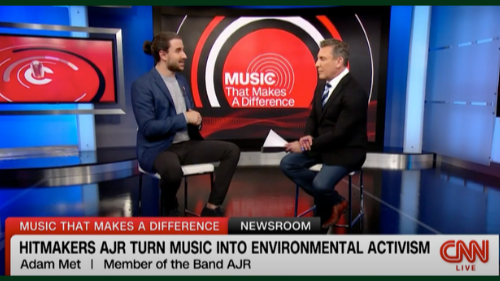
CNN: Hitmakers AJR Turn Music into Environmental Activism
EDF: Faster, affordable clean energy? This bipartisan bill delivers
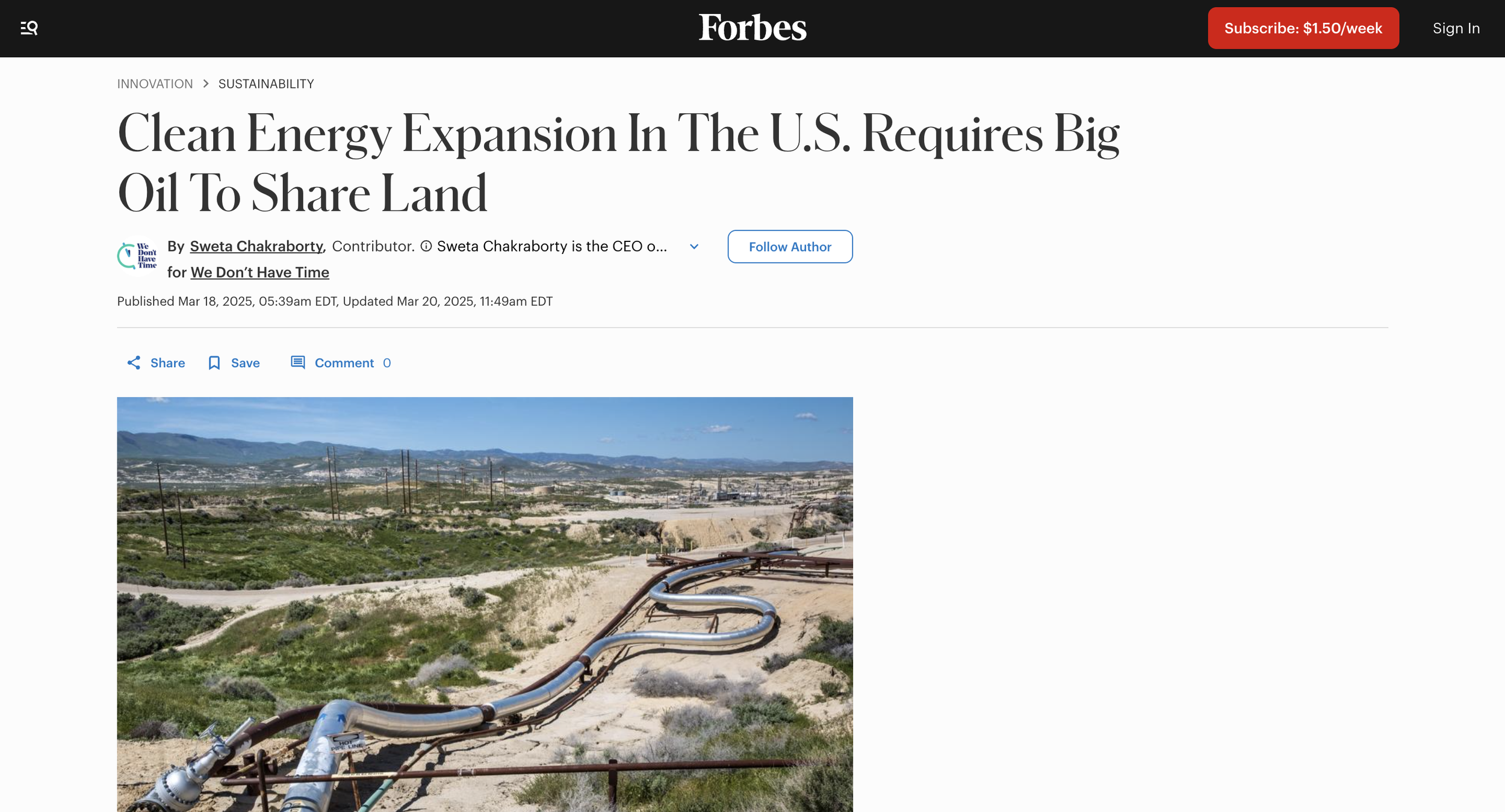
Forbes: Clean Energy Expansion In The U.S. Requires Big Oil To Share Land
Our Partners


